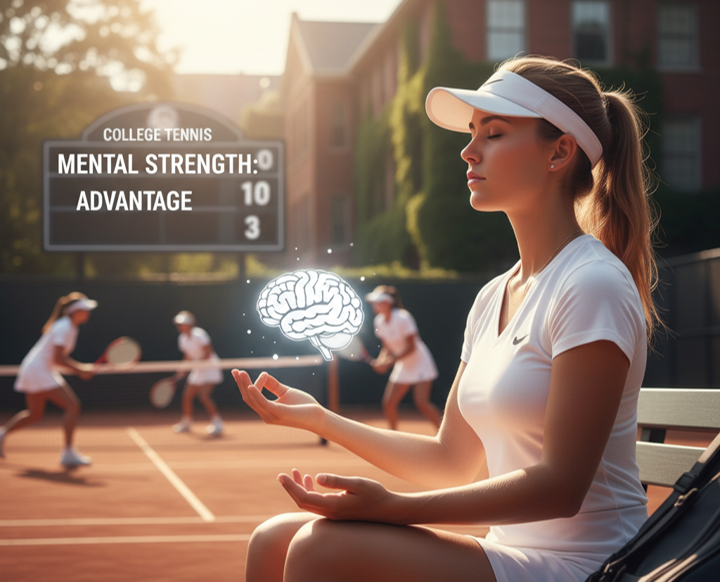
The State of Mental Fitness in College Tennis: Why the Next Competitive Advantage Won’t Come from the Weight Room

College tennis has solved many of the problems that once limited player development. Today's athletes are stronger than ever. Strength and conditioning programs have become highly sophisticated. Nutrition is no longer viewed as supplemental but as an essential component of performance. Recovery science has evolved into its own discipline. Video analysis, biomechanics, performance analytics, and increasingly powerful technologies have transformed how athletes train and compete. From a purely physical and technical standpoint, the modern college player is remarkably well prepared. And yet, despite all of this progress, many coaches would quietly admit that they are spending more time dealing with confidence issues, emotional inconsistency, performance anxiety, burnout, focus-related challenges, and team culture dynamics than ever before. That presents an interesting question. How can athletes be more physically prepared, more technically advanced, and more informed than any previous generation, yet still struggle so significantly with the mental demands of competition? The answer may lie in a reality that many programs are beginning to recognize but few have fully addressed: The demands placed on today's athletes have evolved dramatically, while the systems designed to develop mental performance have not kept pace. As college tennis continues to become more competitive and more sophisticated, the next meaningful competitive advantage may not come from the weight room, the training court, or the analytics platform.

By |2026-06-11T15:12:18-04:00June 11th, 2026|Mental Wellbeing, Performance Enhancements, Sports & Athletic Performance, tennis|Comments Off on The State of Mental Fitness in College Tennis: Why the Next Competitive Advantage Won’t Come from the Weight Room

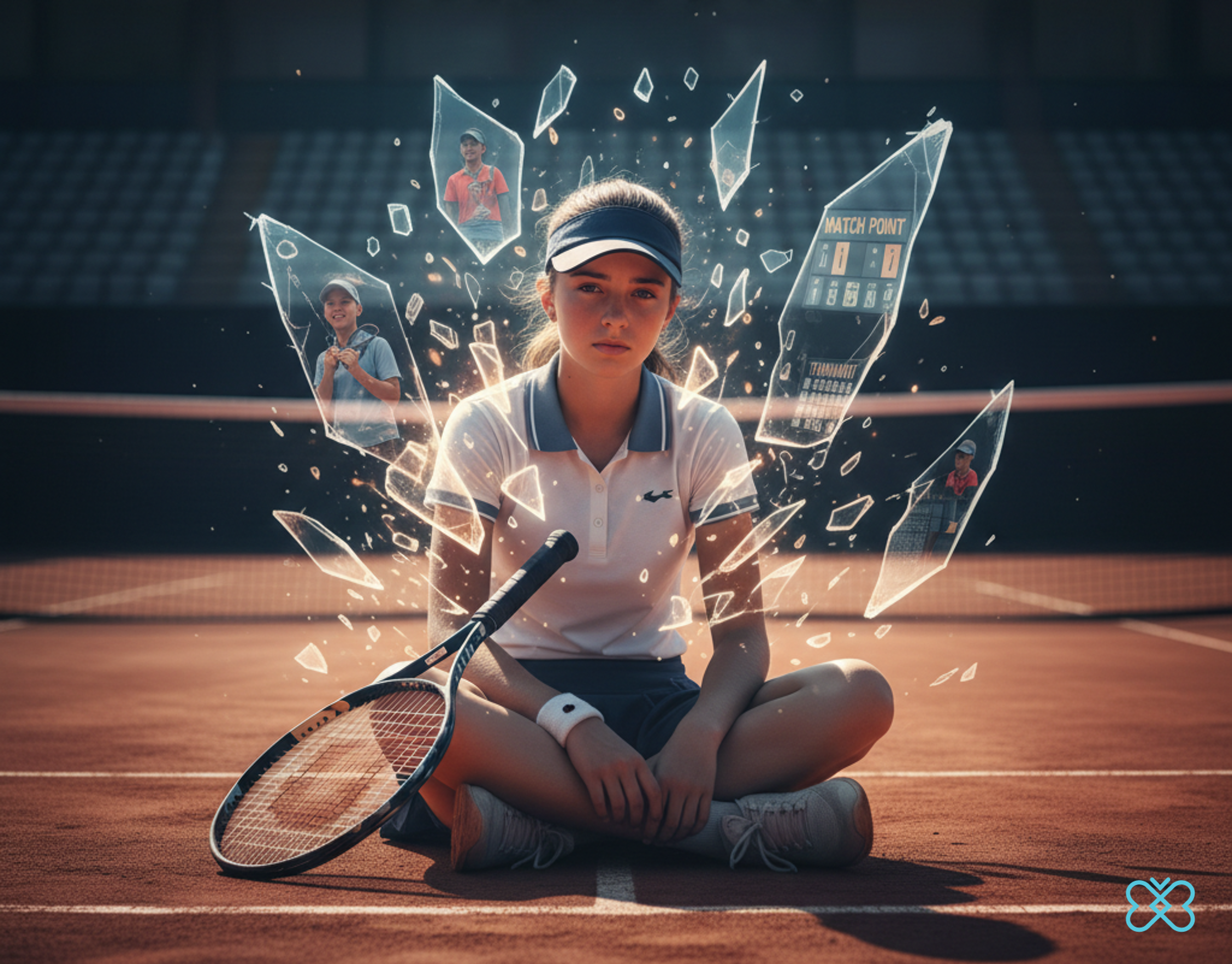
The Mental Burnout Crisis in Junior Tennis: The Injury No One Can See

Walk through any major junior tennis tournament and the signs are everywhere. You see players staring silently at their phones between matches. You hear conversations dominated by rankings, points, and tournament schedules. You watch talented athletes unravel emotionally after a tough loss, only to be back on court hours later preparing for the next event. Parents worry. Coaches push. Players grind. From the outside, everything appears normal. After all, competitive tennis has always been demanding. But beneath the surface, something has changed. A growing number of young players are not simply becoming physically exhausted. They are becoming mentally and emotionally depleted. And unlike a sore shoulder, a strained hamstring, or an injured wrist, this type of injury is often invisible. The sport has become increasingly aware of physical burnout. Recovery science, nutrition, sleep optimization, and injury prevention have become standard parts of player development. Yet a far more significant challenge is quietly emerging across junior tennis: The mental burnout crisis. And unless the industry begins treating mental recovery with the same seriousness as physical recovery, the problem is likely to grow.

By |2026-06-05T15:51:33-04:00June 5th, 2026|Mental Wellbeing, Performance Enhancements, Sports & Athletic Performance, tennis|Comments Off on The Mental Burnout Crisis in Junior Tennis: The Injury No One Can See
Go to Top